
Education
August 23, 202611 min read
How Long Should IOP Last? Duration Decisions Explained
You get to decide how long IOP lasts based on real progress, not a fixed calendar.
PPR
Painting Pictures RecoveryYou have finished detox. The next decision you make in the first 72 hours often determines whether you keep the ground you just gained or slide backward.
Painting Pictures Recovery
Editorial Team

You have finished detox. The next decision you make in the first 72 hours often determines whether you keep the ground you just gained or slide backward.
You have finished detox. The next decision you make in the first 72 hours often determines whether you keep the ground you just gained or slide backward.
This guide walks you through the practical sequencing choices after detox. You will see how to move safely into the right level of care, what questions to ask, how to handle the risky “bridge days,” and what your family can do right now to make the hand-off smoother. The focus stays on post-detox logic, not on selling any one program.
“Educational resource from Painting Pictures Recovery. This article is not a substitute for medical advice, diagnosis, or emergency care. If you or someone else is in immediate danger, call 911.”
Detox clears the immediate medical danger of withdrawal. It does not repair the brain changes that drive cravings, fix co-occurring depression or anxiety, or rebuild daily routines. Most people feel physically better within days, yet the psychological pull remains strong. Without a clear next step, many return to use within the first week after discharge. That is why clinicians treat detox as the start of care, not the finish.
You need a plan that continues the work detox began. The right plan matches your current stability, mental-health needs, housing situation, and how many times you have tried to stop before. Painting Pictures Recovery offers three step-down levels in San Diego: partial hospitalization (PHP), intensive outpatient (IOP), and standard outpatient (OP). Each level reduces structure as you gain skills and confidence.
The most common route runs detox to residential treatment or directly to PHP, then to IOP, and finally to OP. This gradual taper gives your brain time to heal while you practice new coping tools in real life.
Some people with solid family support, stable housing, and no recent severe mental-health crises can step straight from detox into IOP. Others need the full PHP schedule—six to eight hours a day, five or six days a week—because their cravings or mood symptoms still spike hard by late afternoon. The exact path depends on three practical factors: how safe you feel in your current living situation, whether depression, trauma, or bipolar symptoms need daily attention, and whether you have relapsed quickly after past treatment attempts.
At Painting Pictures Recovery we meet you where you are. Our admissions team reviews your discharge summary from detox and helps decide whether PHP, IOP, or OP fits best. You do not have to guess alone.
The hours between detox discharge and your first day at the next program create the highest relapse risk. Empty time, easy access to old people and places, and the sudden drop in structure invite old habits back. That is why we push for a scheduled intake within 24 to 72 hours of leaving detox whenever possible.
If the detox center offers a discharge planner, ask them to call ahead and set the exact date and time of your next intake before you leave. Write it on paper and give copies to two other people. Pack a simple go-bag the night before so you can move without drama. If a gap of several days appears unavoidable, create a detailed daily schedule that includes meetings, walks, meals with safe people, and check-in calls. Idle time is the enemy; fill it with forward motion.
Look at four concrete questions. Answer them honestly with your detox team or a family member who knows the full picture.
First, do you need medical monitoring for medications or withdrawal symptoms that linger? PHP offers daily nursing oversight; IOP and OP do not. Second, how intense are your cravings or mood swings by evening? If you cannot stay safe after 3 p.m. without support, start with PHP. Third, is your living environment substance-free and calm? If not, you may need the structure of PHP or even a short residential stay before stepping down. Fourth, have you left treatment early or relapsed within thirty days more than once? A higher level of care for the first four to six weeks often improves the odds.
Painting Pictures Recovery’s PHP runs Monday through Saturday with group therapy, individual sessions, art therapy, and skill-building classes. IOP meets three to five afternoons or evenings per week. Standard outpatient usually means one or two sessions weekly plus recovery meetings. You can move down as you get stronger and move back up if life gets harder. The continuum of care after detox works best when it stays flexible.
Bring an exact written list of every medication, dose, and time from detox. Hand it to the new program on day one. Even a two-day gap in antidepressants, mood stabilizers, or medication-assisted treatment can let depression or cravings surge. Tell the intake coordinator about any side effects you noticed in detox so they can watch for them.
Many people who reach detox also carry anxiety, PTSD, bipolar disorder, or unresolved grief. We treat both addiction and mental health at the same pace. Creative and art therapies sit beside standard clinical work because some emotions surface more easily through drawing, music, or writing than through talk alone. If your detox team started a new psychiatric medication, ask for the prescriber’s name and the exact follow-up plan. Continuity here protects the progress you made.
You can prepare several practical details before discharge day so the transition does not collapse under small problems.
Arrange transportation in advance. Decide who will drive or whether rideshare is safer. Remove alcohol, pills, and paraphernalia from the house before your loved one arrives. Set clear rules about visitors and curfew for the first two weeks. Write down a short daily schedule that includes treatment hours, meals, and evening support meetings. Prepare a simple note for work or school that says only that you are attending a medical appointment series; you do not owe anyone the full story.
Family members often feel exhausted and unsure what to say. One useful script is: “We are glad you finished detox. The next step is PHP starting Tuesday at 9 a.m. We will drive you and attend the family meeting on Thursday. If you feel like using, call one of us first—no shame, just call.” Short, clear, and focused on the plan works better than long emotional talks when someone is still shaky.
Keep a list of emergency numbers on the refrigerator: the new program’s after-hours line, the detox nurse, and 911. Decide in advance who will hold any prescription medications and dispense them each morning. These small arrangements reduce arguments and give everyone a shared map.
Pack light and practical. Bring comfortable clothes for five days, toiletries without alcohol, your insurance card, photo ID, and the medication list. A notebook and pen help. Art supplies are welcome at Painting Pictures Recovery because we use them in groups, but the program can also lend basic materials. Leave expensive jewelry, laptops, and anything that could be stolen or trigger comparison at home for now. Phones are usually allowed during breaks but may be collected during group times; ask the admissions coordinator about the exact policy so you are not surprised.
The first two weekends after detox test every plan. Structure the days ahead of time. Many people attend a Saturday morning recovery meeting, eat lunch with a safe friend or family member, spend one or two hours on a hobby that is not linked to past use, and finish with an evening IOP or PHP group if available. Sunday can include a longer walk, laundry, meal prep for the week, and another meeting. Boredom and loneliness peak on weekends; decide now who you will call if that wave hits.
Painting Pictures Recovery offers weekend programming in PHP and some IOP tracks so you do not lose momentum. Use those hours. They turn empty time into practice time.
Stay at the current level until you can answer yes to three questions: Can I stay sober through evenings and weekends with the support I have? Do my mood symptoms stay manageable most days? Am I using the tools I am learning instead of just attending?
If cravings return hard or you miss groups, step back up without shame. The continuum of care after detox is not a straight line down; it is a staircase you can climb in both directions. Most people need four to eight weeks at PHP before they feel steady enough for IOP. Others move faster. The right pace is the one that keeps you safe.
Track your sleep, cravings, and mood each night on a simple 1–10 scale. Share the numbers with your therapist. Numbers often reveal patterns words miss.
How long will I need PHP after detox? It varies. Some people feel solid after four weeks; others need eight or ten. The decision rests on your cravings, sleep, mood stability, and whether you are rebuilding a life outside of treatment. Your team will review progress every two weeks and adjust with you.
Can I keep working while I do IOP? Many people can. IOP schedules often run in the late afternoon or early evening so you can keep daytime hours. Talk with your employer about flexible start and end times. Honesty paired with a short medical note usually works better than hiding the reason for appointments.
What if my insurance denies the level we think is best? Admissions at Painting Pictures Recovery will verify your benefits before day one and explain what is covered. Sometimes a peer-to-peer review with the doctor helps. If coverage falls short, we discuss realistic alternatives instead of promising outcomes we cannot control.
You do not have to figure the entire continuum of care after detox by yourself. At Painting Pictures Recovery we help families and adults move from detox into PHP, IOP, or outpatient care in San Diego with clear schedules and steady support for both addiction and mental health. Call (949) 806-3551 today. Our admissions team can verify your insurance before your first day, answer your specific questions, and help you book an intake that fits the discharge date you already have. Reach out through our /admissions or /contact pages, or start the insurance check at /verify-insurance. One phone call can turn uncertainty into a concrete plan you can actually follow.
About the Author
In This Article
Tags
You get to decide how long IOP lasts based on real progress, not a fixed calendar.

You do not have to leap from the structure of IOP straight into nothing.

You can prepare your home and your family for a safer return after opioid treatment.
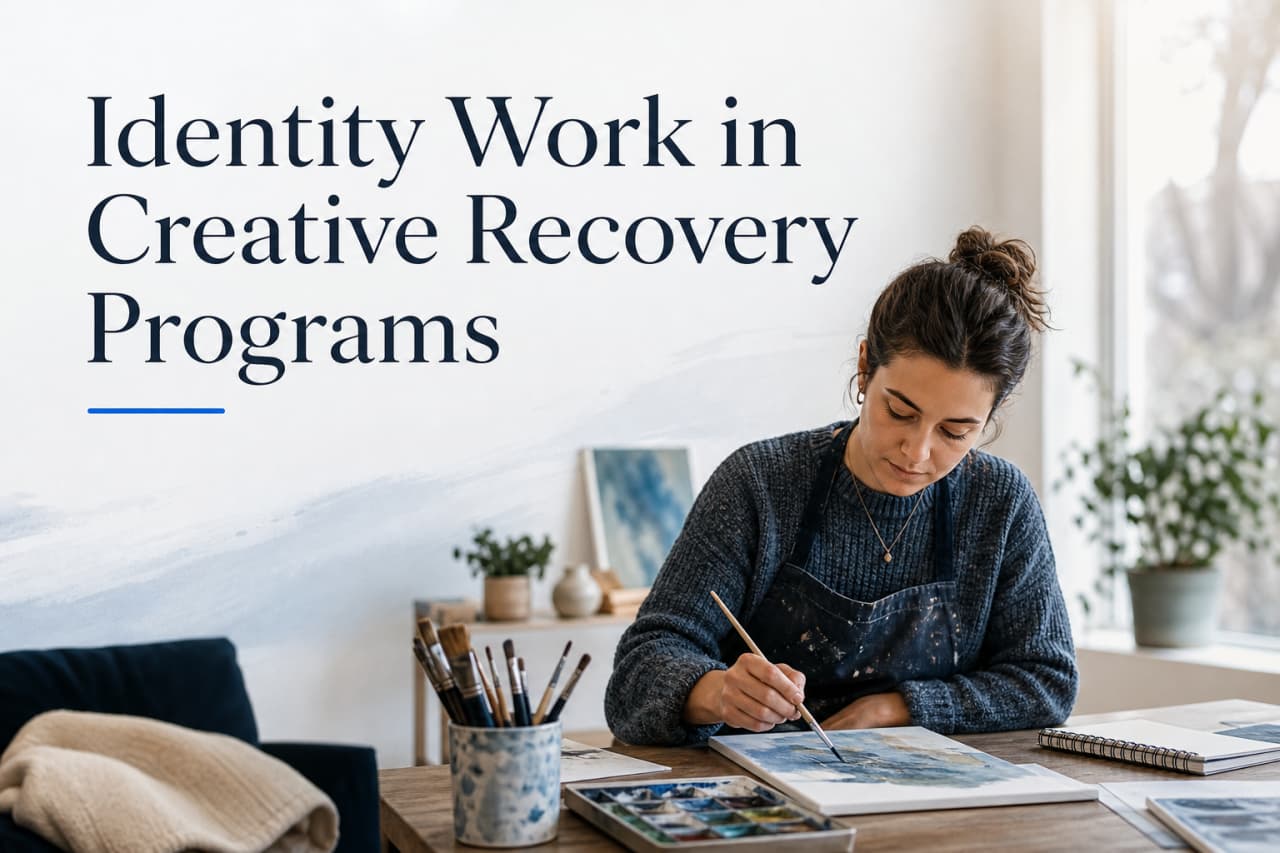
Medical detox at Painting Pictures Recovery runs 5-10 days, but rebuilding a sense of self takes longer. See how creative work and clinical care fit together.

You are already doing the hardest part by looking for real answers instead of hoping the symptoms will vanish on their own.

You face a tough overlap when attention problems and stimulant misuse live in the same person.
Painting Pictures Recovery offers client-centered services. Reach out for a confidential consultation and see exactly how we'd apply these strategies to your facility.